
Native 2K
Crisp, publish-ready output at up to 4K —clean edges, legible text, and detail that survives zoom.
Change scenes, materials, and lighting while preserving product details and character identity. Native 2K output and multi-reference editing turn one creative direction into a coherent set.
로그인하고 스타터 크레딧 20개를 받아 바로 만들어 보세요
GPT Image 2.6
GPT Image 2.6 turns visual direction into finished visuals: choose the model, shape the frame, and keep every version in one place.
Crisp, publish-ready output at up to 4K —clean edges, legible text, and detail that survives zoom.
Prompts are followed literally —subject, composition, palette, and mood land where you put them.
Products, faces, and styles stay consistent across edits, scenes, and whole campaigns.
Introduce GPT Image 2.6
GPT Image 2.6 is an AI image model built for iterative visual work. Give it a clear brief, a product photo, or a few references —it returns visuals you can actually ship.
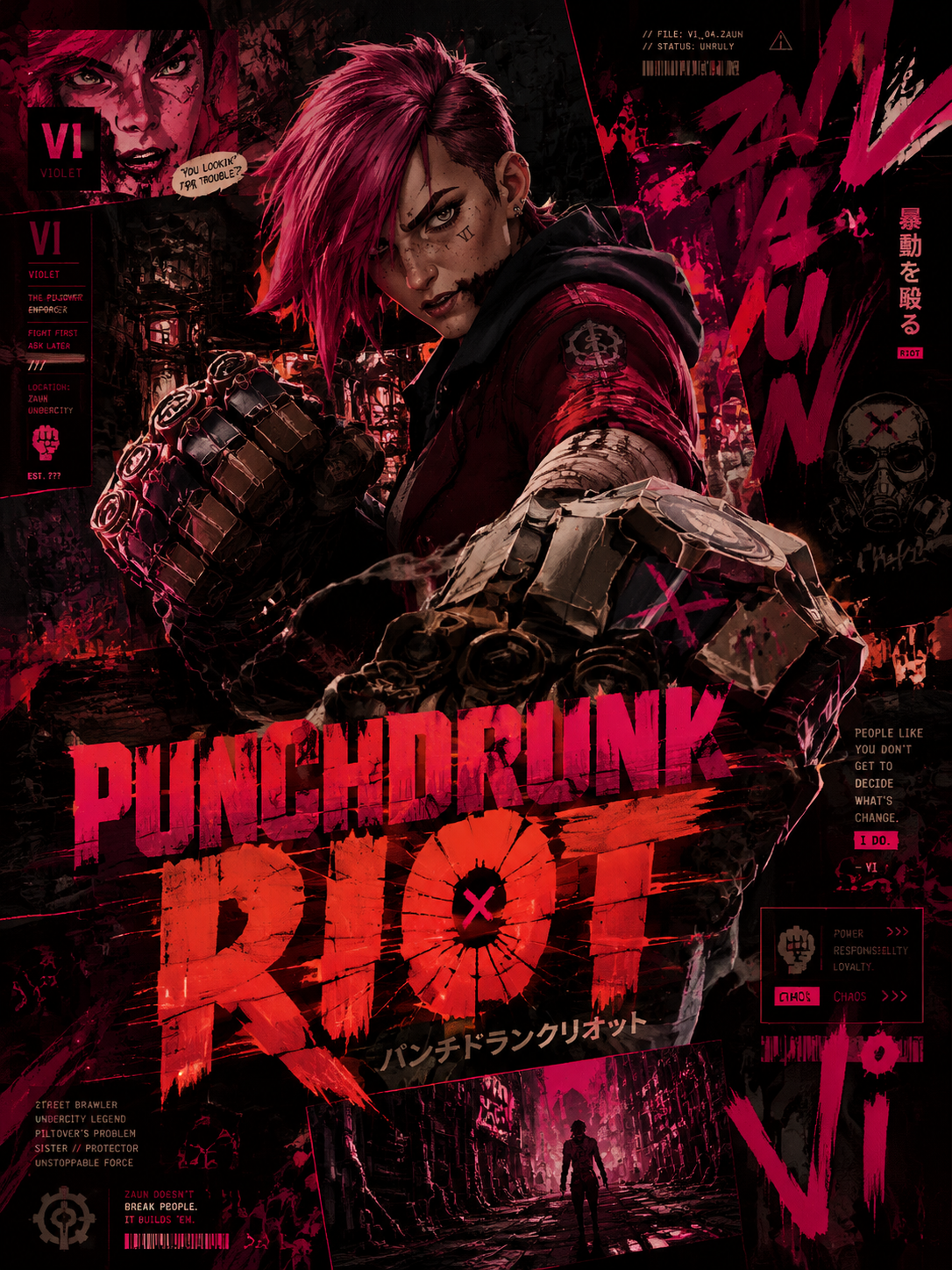
Describe the visual instead of tweaking parameters —GPT Image 2.6 parses subject, composition, and intent from natural language.
Start from a photo: swap the background, recolor the outfit, relight the scene —while the product stays intact.
Supply up to four references —GPT Image 2.6 holds identity, materials, and look across the whole set.
Render at 1K for drafts, 2K for production, and 4K for print-quality finals.
Labels, posters, and signage come out readable —brief words render cleanly in frame.
Most edits return in seconds —iterate on the direction, not on the queue.
GPT Image 2.6 workflow
GPT Image 2.6 treats every visual as a version you can refine —not a render you have to accept.
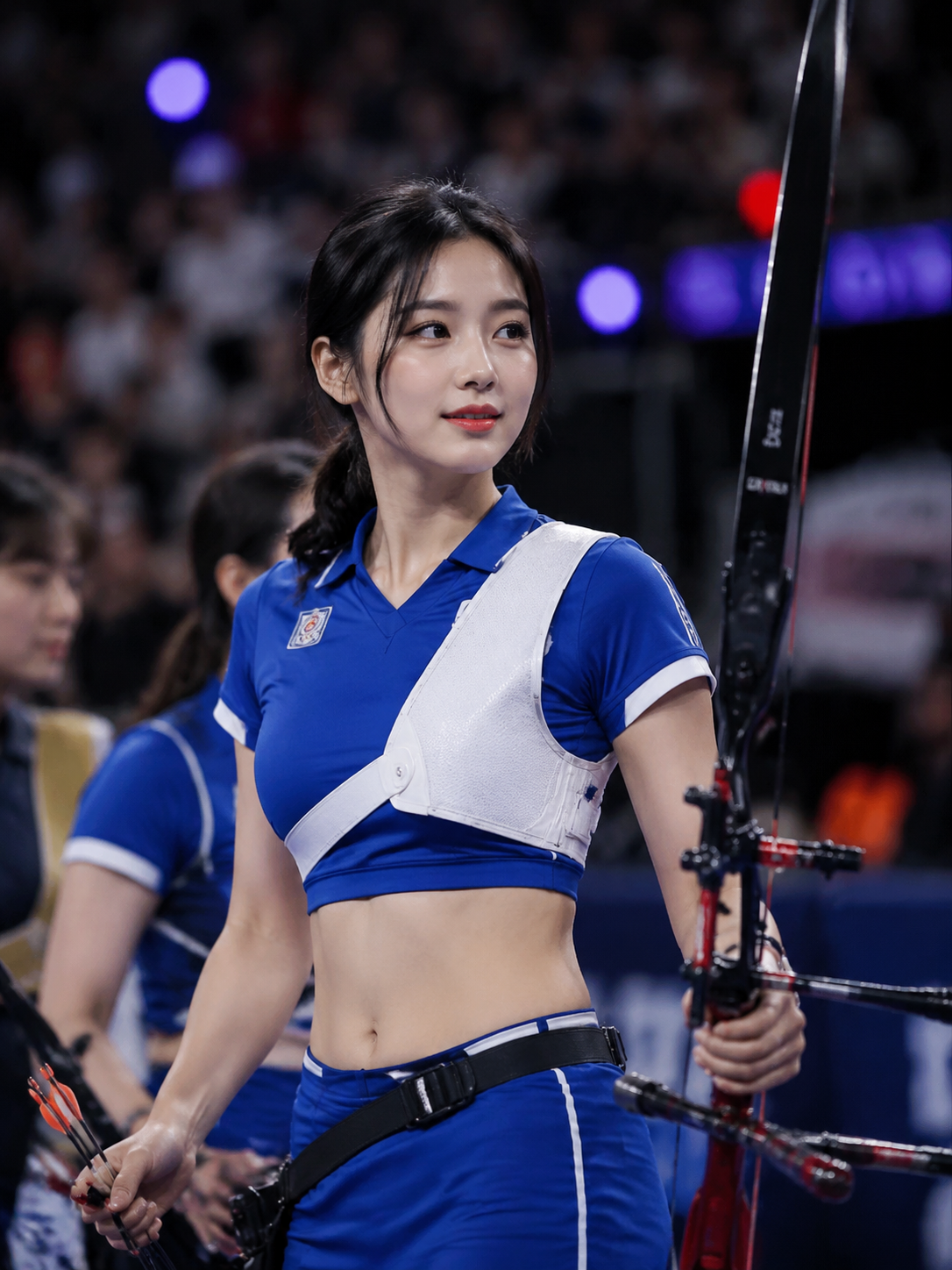
Compose
Write the subject, setting, and mood. Add references when a product, face, or style has to stay recognizable.
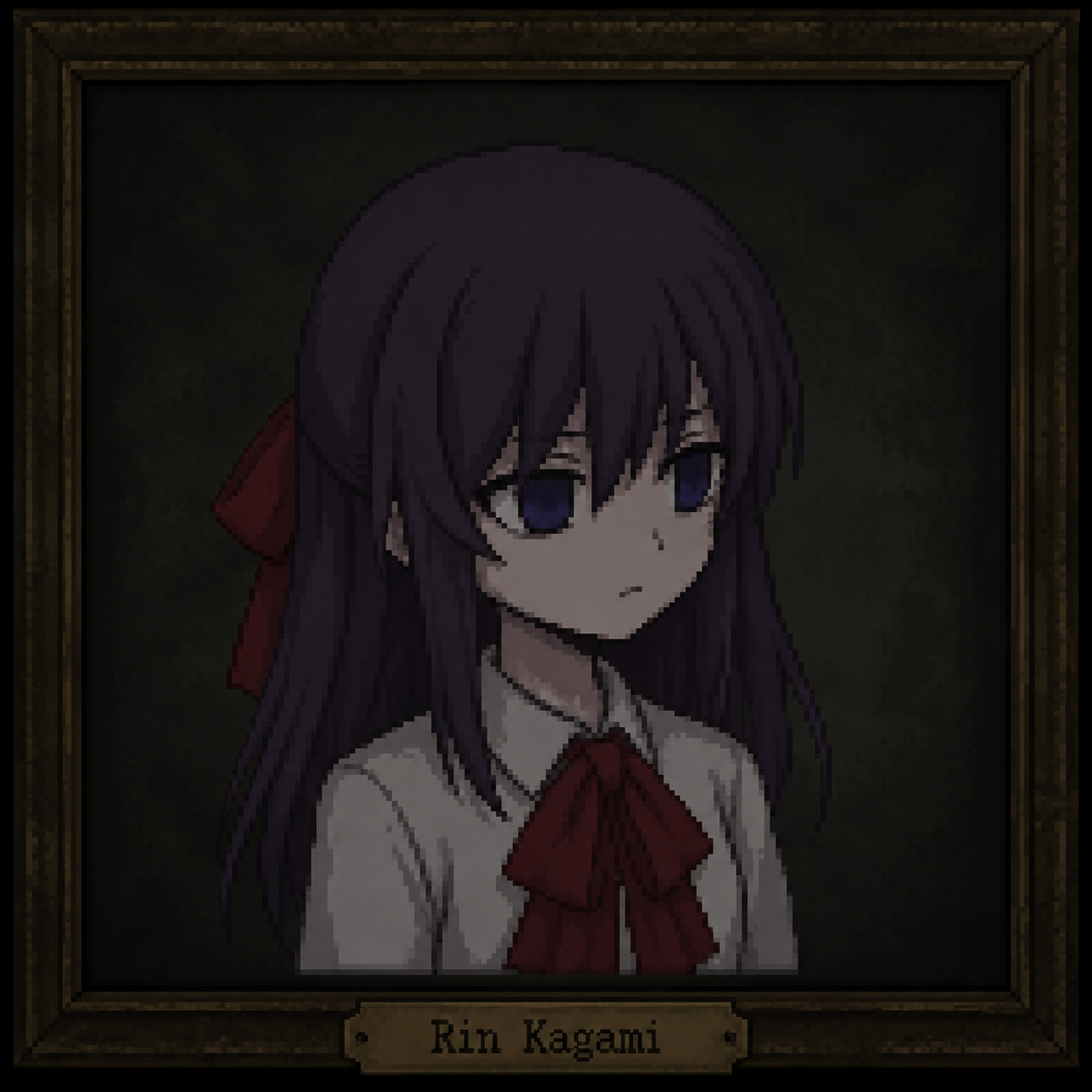
Direct
Pick aspect and resolution. Say what stays —the label, the silhouette —and what moves: background, materials, light.
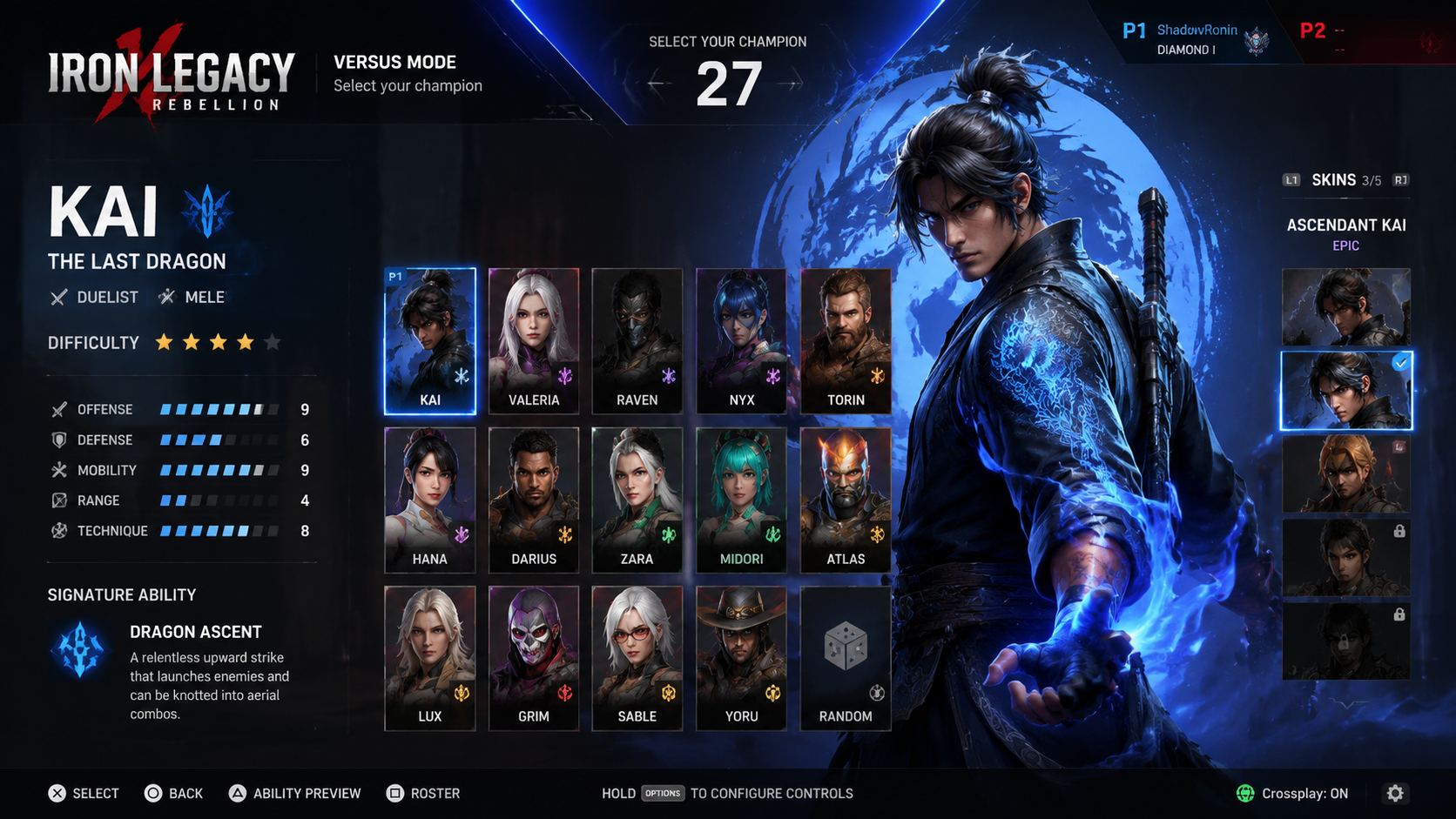
Refine
Ask for a different palette, a tighter crop, or a new scene —GPT Image 2.6 revises the visual without resetting it.
Build a clear creative brief
Make the important choices explicit, review the result against your brief, and use your preferred version as the basis for the next one.
Describe what the visual should communicate and where it will run. A product page, a campaign banner, and a storyboard need different framing and density.
Explain which image defines the product or character and which supplies the style. For editing, pick the photo that anchors the change.
Select the aspect and resolution for the placement. Name the focal point and any details the render must preserve.
Check faces, labels, materials, and text across the render. Refine the version, then download the one that fits your layout.
From a creative brief to a usable visual
Choose a task with a clear visual objective. GPT Image 2.6 gives creators, studios, marketers, and product teams more ways to explore it.
Explore studio, lifestyle, and seasonal scenes from a product reference while the shape, materials, and labels stay true.
Carry a recognizable character through new poses and settings, then review identity and scene continuity frame by frame.
Create coordinated visuals with consistent products, colors, and direction across square, portrait, and landscape formats.
Generate layout-led visuals with intended text areas and product hierarchy —check every word before publishing.
Replace an object, recolor an outfit, restyle a room, or relight a scene with one focused instruction.
Develop regional variations from one approved direction and adjust visible copy for each market.
Useful answers before you create
Understand the model, prepare better references, and choose a practical approach to your next visual.
제작 빈도에 맞게 플랜을 선택하세요: 규칙적인 워크플로우에는 반복 크레딧, 정해진 프로젝트에는 일회성 팩을.
결제 또는 플랜에 대한 문의는 지원팀에 연락하세요: 지원 문의
안전한 결제:
GPT Image 2.6 플랜을 선택하기 전에 청구, 공유 크레딧, 해지, 유효기간을 확인하세요.
Understand the model, prepare better references, and choose a practical approach to your next visual.
안전한 결제 수단
Make the next idea visible
Bring a product photo, a character, or a clear scene brief. Explore a version, refine the direction, and save a visual that fits your layout.